
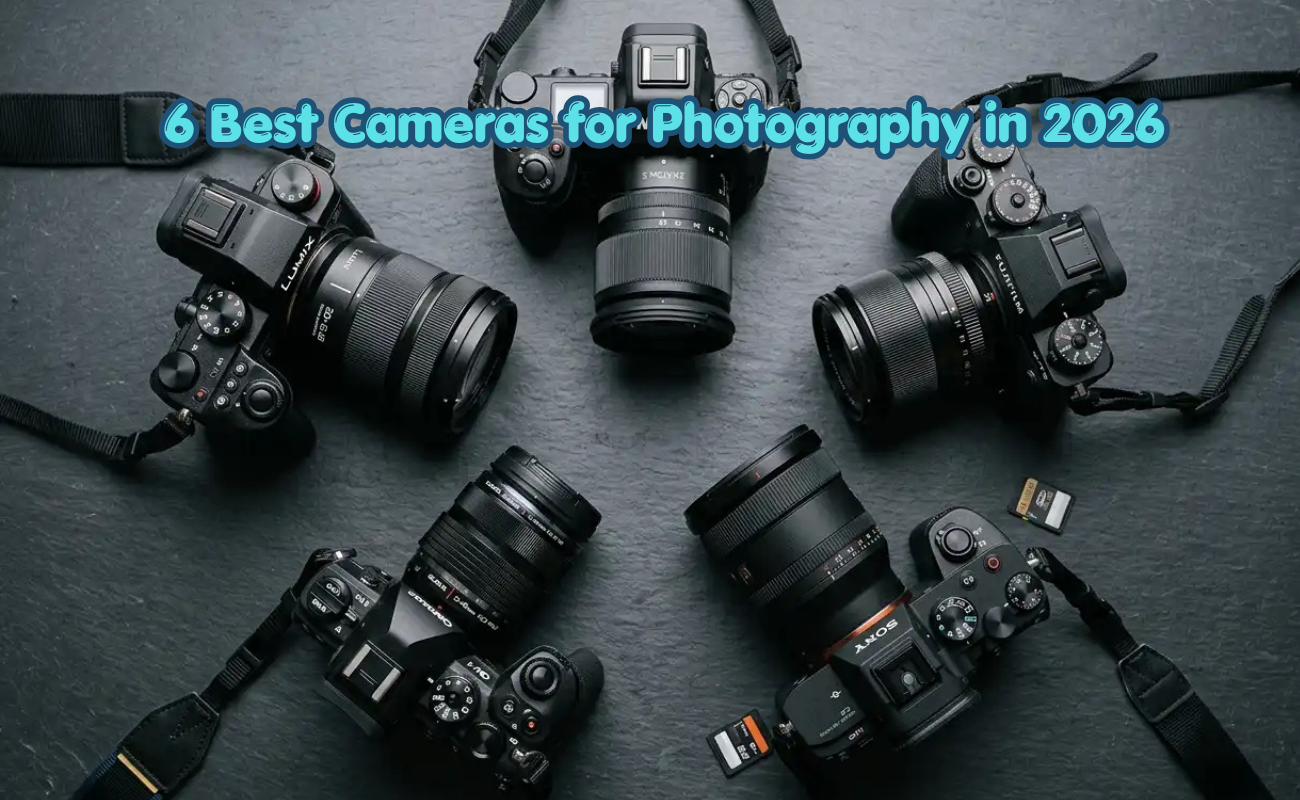
Choosing the right camera can make a big difference in your photography experience. For many people, including those who are just starting out, a travel photographer, and professionals, it is necessary to choose the camera capable of producing good image quality, quick auto-focus and helpful features.
Considering the various options, there are various cameras that are best for photography, depending on the budget and pictures to be captured. There are some cameras that provide superb full frame image quality and some are smaller and more portable.
We’ve picked out 6 cameras for varying price and shooting requirements to help you decide which is right for you.
1. Sony Alpha 7 V: Best Overall Camera for Photography
For photographers seeking a strong camera all-round, the Sony Alpha 7 V is an excellent option. It has a 33MP full-frame sensor, which delivers high dynamic range and detailed images. The sensor is partially stacked, allowing continuous shooting at up to 30 frames per second with the electronic shutter which will work well for sports, wildlife and fast-moving subjects.
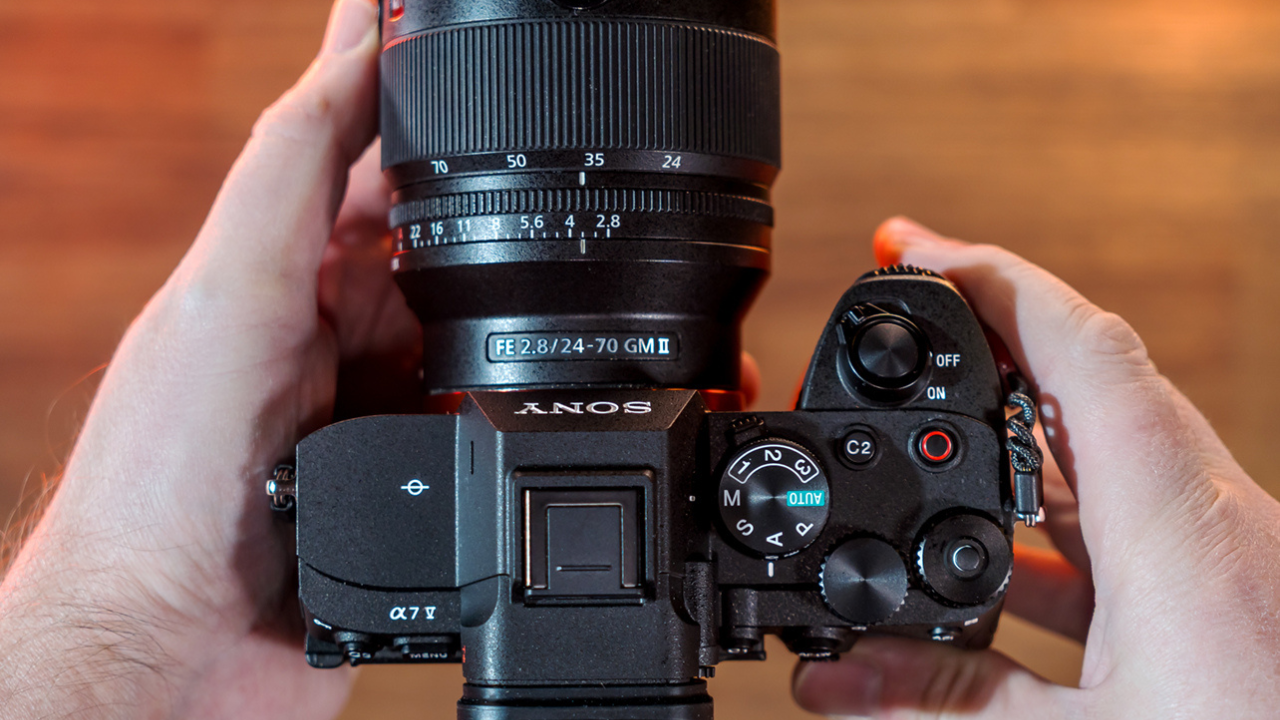
The camera also boasts weatherproofing, in-body IS, and good autofocus. One more benefit is the fact that Sony has an extensive range of compatible lenses, such as budget friendly third-party models. But, it’s a high-priced camera and the features it includes might be unsuitable for casual snappers.
2. Nikon Z5 II: Best Upper Mid-Range Camera
If you need full-frame image quality and aren’t quite ready to invest as much as you would on a high-end model, the Nikon Z5 II is a solid choice. It features a 24.5MP backside-illuminated full-frame sensor, producing detailed images and suitable for low-light situations.
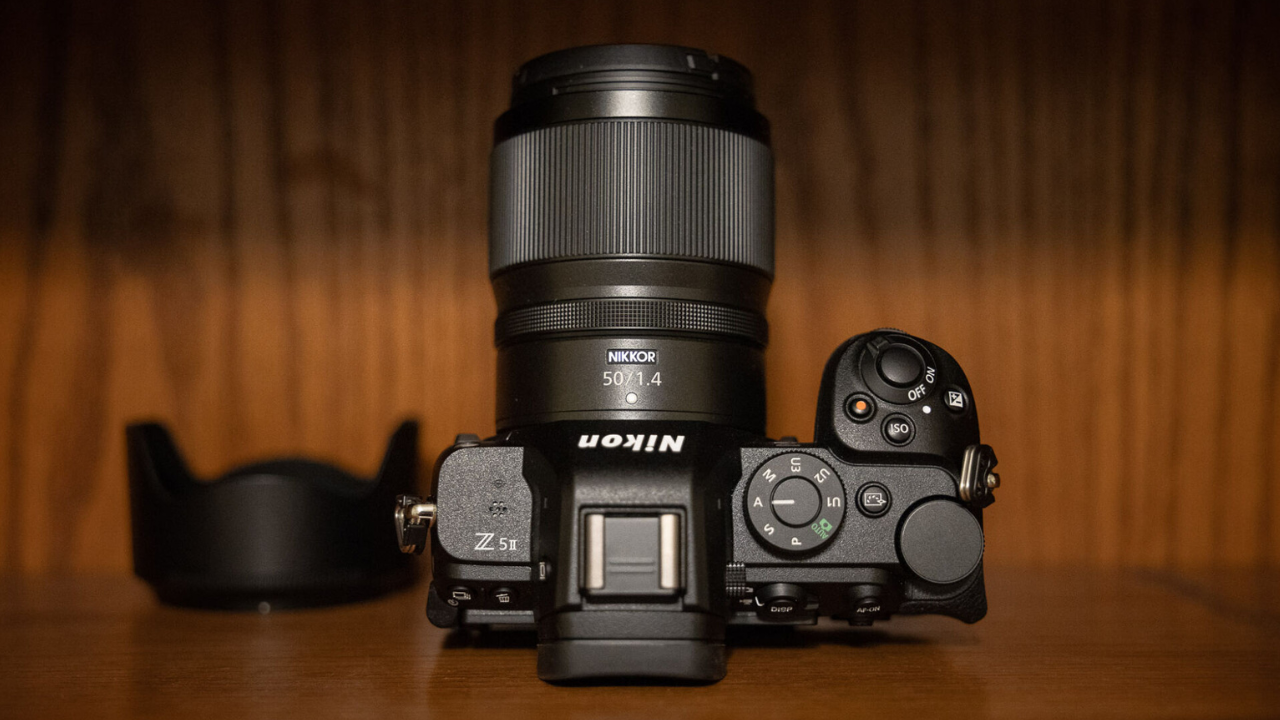
It has an auto-focus that can identify people, animals and vehicles, making it ideal for capturing moving subjects. The camera has dual SD card slots, a fully articulated touchscreen and in-body image stabilization. It has a comfortable grip, and is weather-sealed, perfect for outdoor photography. Its camera and full frame lenses can be large though, however, and third party lens options are not as extensive as Sony’s.
Read Also: The 7 Best Beginner Motorcycles in 2026: Complete Buyer’s Guide
3. Nikon Z5: Mid-Range Camera
For photographers who value the quality of shots over speed, the Nikon Z5 is a solid middle of the range camera. It has a full-frame sensor with a 24.3MP resolution which will achieve good dynamic range and detailed images. Works well for portraits, landscapes, travel photos and general photography.
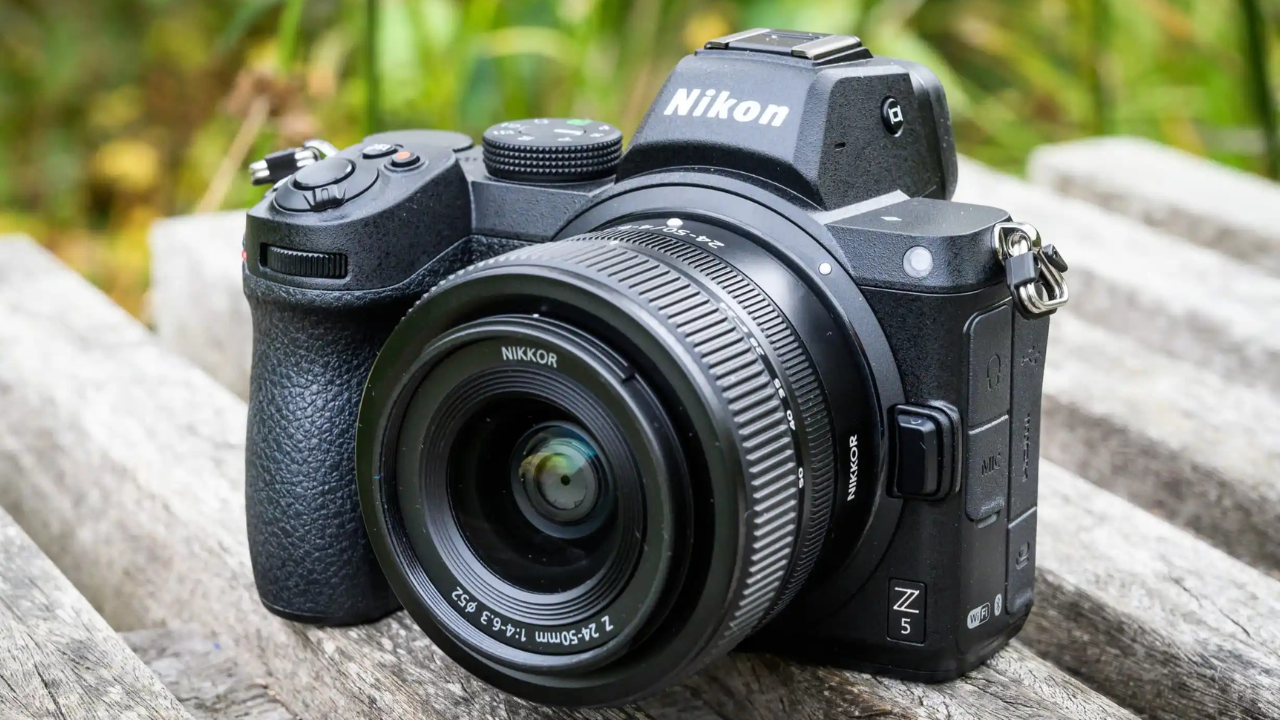
The camera also features 5-axis in-body image stabilization to help minimize handshake when shooting handheld, at slow shutter speeds. The weather protection and comfortable design are beneficial for frequent outdoor use. But the autofocus tracking feature is less advanced than in newer models and the burst shooting is not that fast. It may not be the ideal option for professional sports or wildlife photography.
4. Canon EOS R50: Budget Friendly Camera
The Canon EOS R50 is a superb entry-level mirrorless camera for amateur photographers aiming to take their skills to the next level. It features a 24.2MP APS-C sensor providing attractive images with natural-looking colours. It is easy to learn because of its user-friendly interface and simple controls.
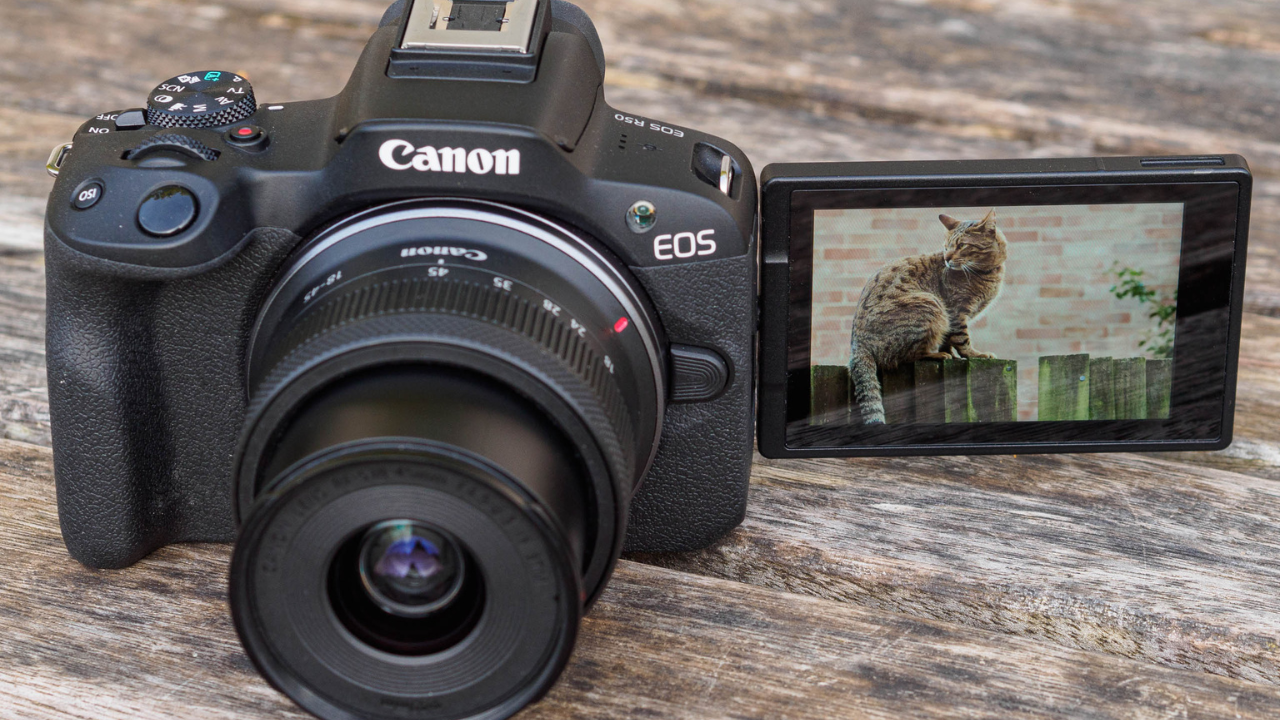
It’s also well-focussed with subject detection and high-speed continuous shooting, and has a fully articulating touchscreen too. It can be used for all sorts of photos including portraits, travel photos, family photos, and everyday photos. It also has 4K video recording capabilities up to 30fps. But its offering of RF lenses is not as extensive as other well established camera systems.
5. Canon EOS R100: Best Cheap Camera
Canon EOS R100 is a good budget camera for casual photography. The sensor is 24.1MP APS-C with good quality images in appropriate lighting. With its straightforward design and user-friendly controls, it’s a great entry level camera for those transitioning from smartphone photography to an actual camera.
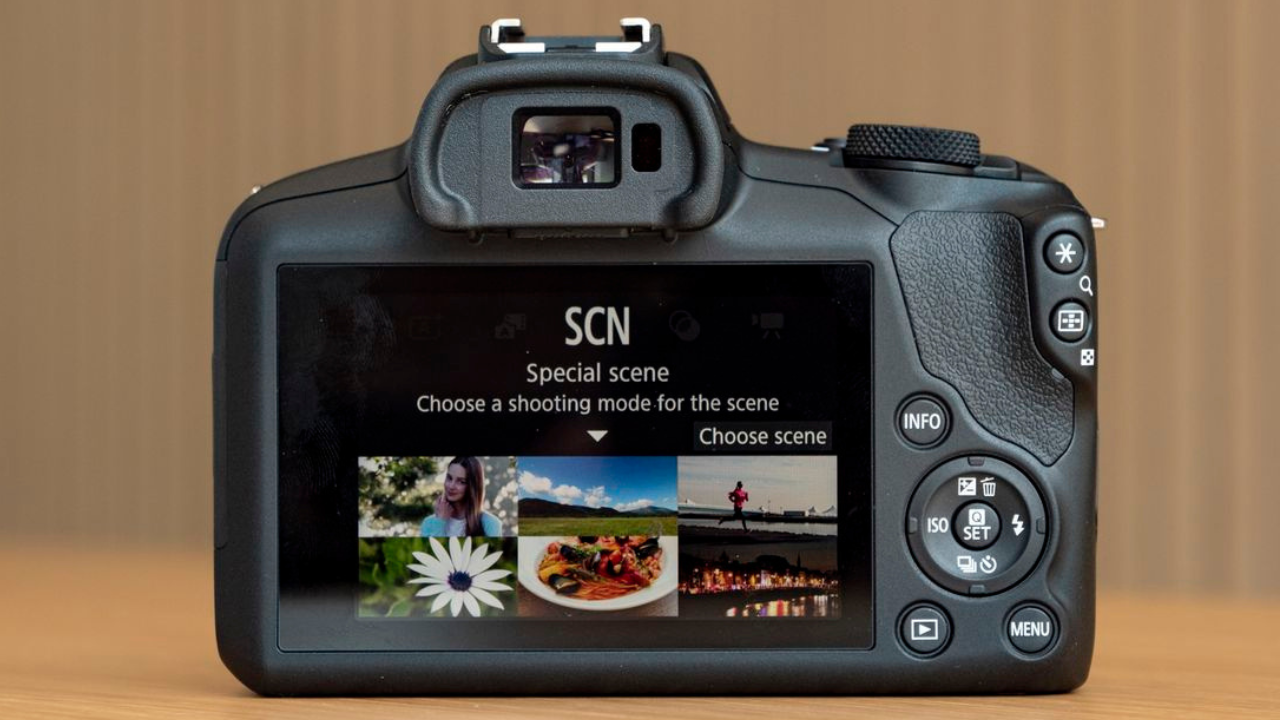
There is also Canon’s Dual Pixel autofocus that helps to keep your subject in focus, and it is also included on the R100. It’s lightweight, making it easy to use and carry around. It’s missing, however, some contemporary elements such as sophisticated subject tracking and a completely articulating touchscreen. The video capabilities of its camera are also less advanced than those of the EOS R50.
6. Ricoh GR IIIx: Best Point-and-Shoot Camera
The Ricoh GR IIIx is a perfect option for photographers who want a compact camera and aren’t ready to drag around a big lens bundle. It has only a small body, but packs in a 24.2MP APS-C sensor for detailed images. It has a built-in 40mm equivalent lens that opens to f/2.8, which is ideal for street photography, portraiture, and normal shooting.
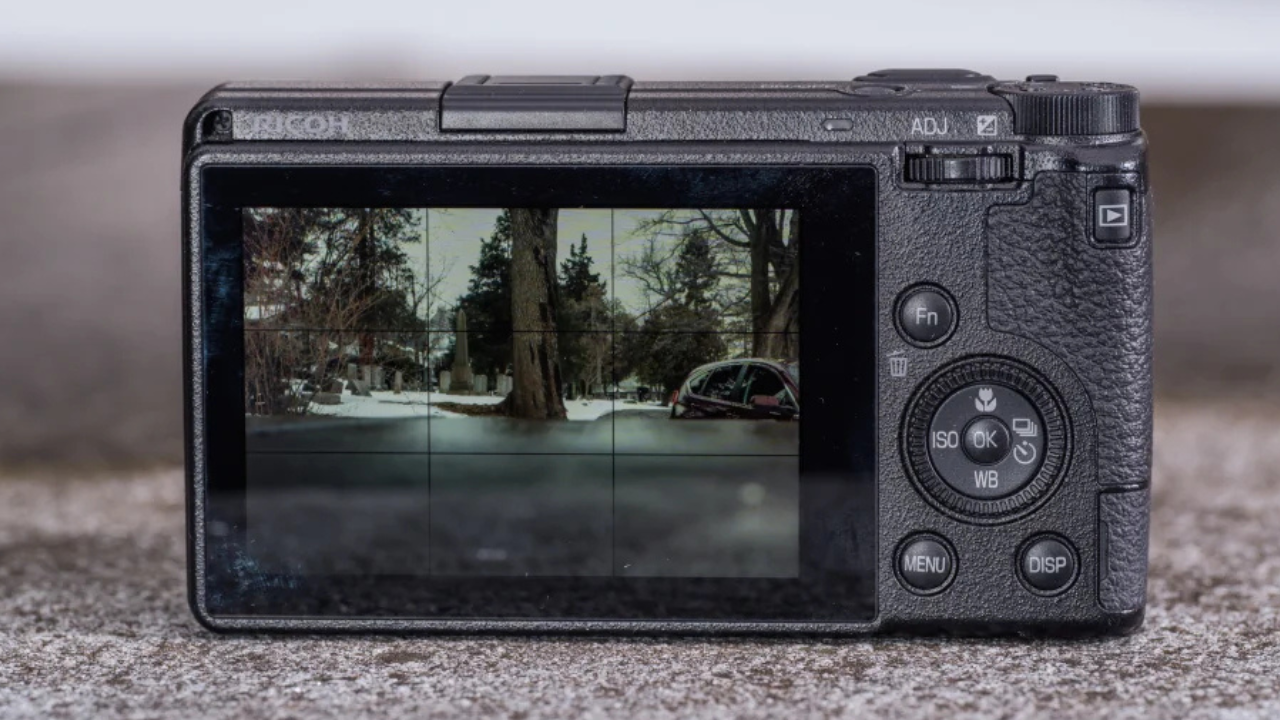
The camera also features in-body stabilization, which helps to minimize camera shake when taking photos from a standing position. It’s compact and easy to fit in a pocket or a small bag. It is a fixed lens, however, which means you’re not able to change lenses or zoom optically. A major drawback, however, is its video capabilities, which are less than that of today’s mirrorless cameras.
Final Word
With so many different types of cameras available, you’ll have to select the one that fits your photography requirements and budget. The all-round Sony Alpha 7 V is a good choice, and the fully-framed Nikon Z5 II is a strong performer. For the beginner, the Canon EOS R50 or R100 is a good option owing to its simplicity and low price tag. The Ricoh GR IIIx can be recommended if the primary concern is portability. First, look at their characteristics and drawbacks, and then decide that is the right choice for you.
FAQs
1.What is the best camera to use for photography in 2026?
The Sony Alpha 7 V is a great all-rounder with its 33MP full-frame sensor, quick auto-focus and superb image quality.
2. Which camera is best for beginner photographers?
The Canon EOS R50 features simple operation, precise autofocus and is easy to use, making it a good choice for beginners.
3. Is a mirrorless camera a better choice over a DSLR to take pictures?
The autofocus is more sophisticated and the size of the camera is typically reduced with mirrorless models. However, DSLRs can offer good image quality and optical viewfinder as well.
4. What is the minimum number of megapixels required to take photos?
For general photography including portraits, landscapes and photos of everyday life, around 24MP is sufficient.
5. Which camera is best for low-light photography?
For low-light photography, full-frame cameras, such as the Sony Alpha 7 V and the Nikon Z5 II, are great options.
Read more: The Best Laptops for Students in 2026
