
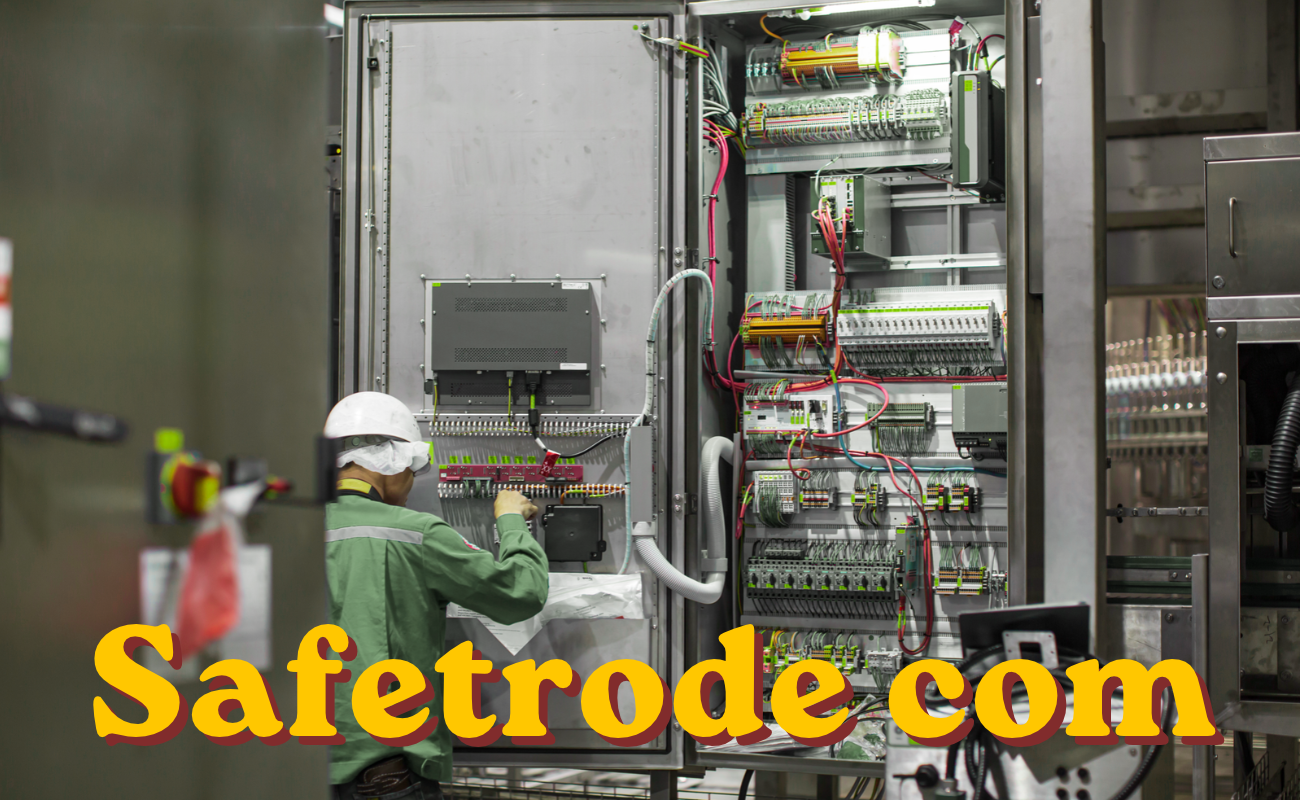
Electrical safety depends on more than wiring and circuit breakers. Good earthing protects people and equipment when something goes wrong. Safetrode com is linked to Safetrode Industries, a company that sells earthing and grounding products such as earth energizer compounds, copper-bonded rods, chemical electrodes, and pit covers.
This article explains what the brand offers, how smart earthing works, where these products are used, and what to check before installing a grounding system.
What Is Safetrode com?
Safetrode Industries focuses on electrical earthing, also called grounding. Earthing gives electricity a safe path into the ground during a fault. For example, if insulation fails inside a machine, its metal casing could become live. Good earthing helps the breaker trip quickly and keeps people safer.
Contractors, engineers, and facility managers are the main buyers. But a product is only one part of the job. The full system must suit the site and follow local rules.
Understanding Smart Earthing
Smart earthing is not a single product. It is a modern way to plan grounding: the right electrodes, solid connections, regular testing, and good records. Some sites add monitoring equipment to spot changes early. Not every product includes this, so check before you buy.
Safetrode Product Categories
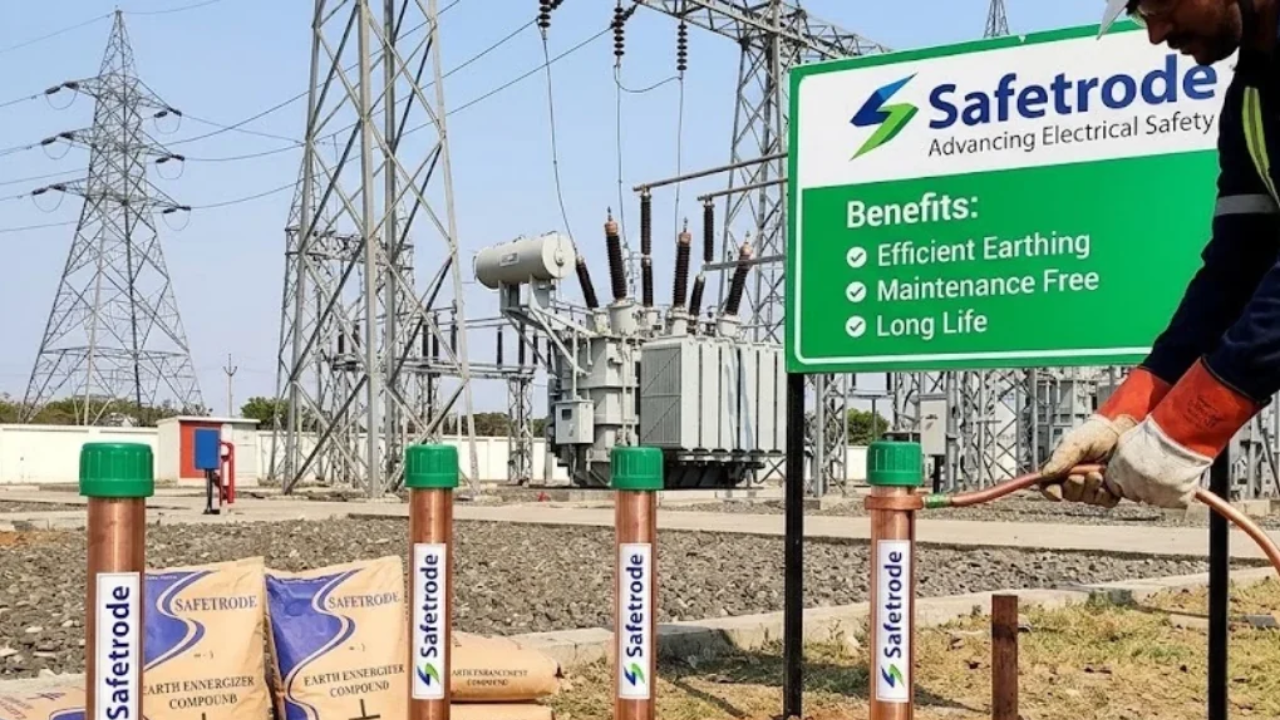
The range covers several parts of a grounding system:
- Earth energizer compounds: improve contact between an electrode and the soil.
- Copper-bonded rods: a steel core with a copper outer layer.
- Chemical earthing electrodes: designed to work with conductive backfill.
- Earth pit covers and accessories: protect test points and give access to them.
Specifications can change, so always check the maker’s current documents.
Why Is Earthing Important?
Protecting People
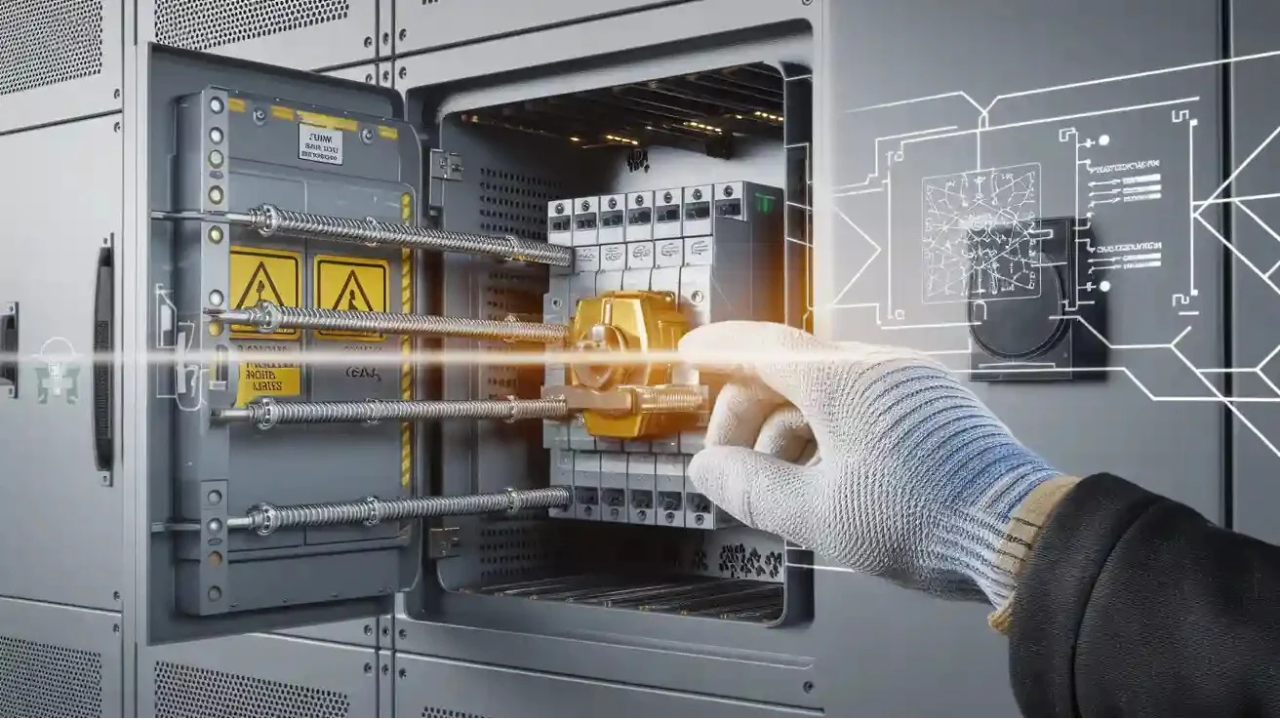
A live metal casing can cause electric shock. Earthing, bonding, and circuit protection work together to reduce that risk. Earthing alone is not enough, so residual-current devices and correct wiring still matter.
Supporting Equipment
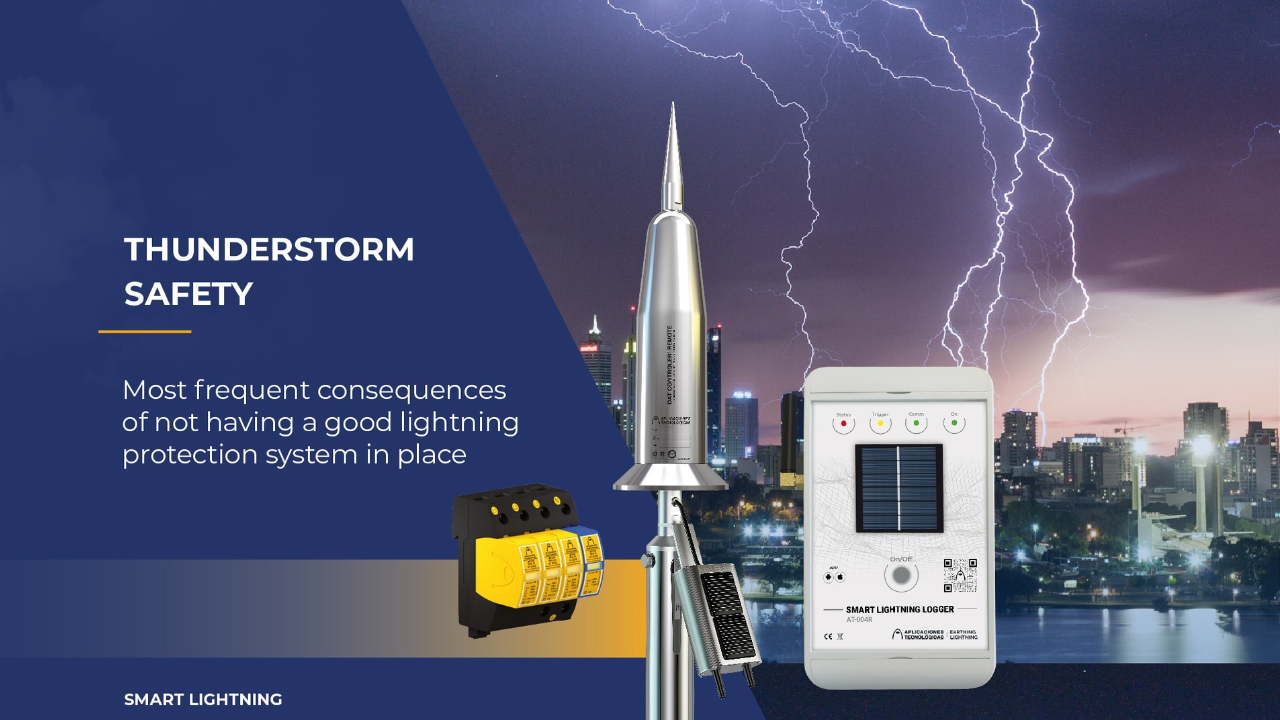
Computers and control systems need stable power. Poor grounding can cause interference and faults. Surge protection may also be needed where lightning is common.
Reducing Fire Risk
Faults can cause heat and sparks. Proper grounding helps protective devices shut off a faulty circuit faster, though it cannot stop every fire.
Safetrode Earth Energizer Compound
Dry, sandy, or rocky soil does not conduct electricity well. An earthing compound placed around the electrode can improve contact with the soil and help performance stay steady. Not all compounds work the same way. Check that the material will not corrode the electrode or harm the environment. Rely on real product data and site measurements, not general claims.
Safetrode Earthing Electrodes
Copper-bonded rods pair a strong steel core with a copper layer that conducts well and resists corrosion. They are common in buildings, factories, and utility sites. A damaged coating or a poor connection can shorten their life.
Chemical earthing electrodes use special materials around the electrode to keep conductivity up. They can help where space is limited. Designs differ, so read the installation instructions carefully.
Accessories and Supporting Products
Earth pit covers protect inspection points and let technicians test connections. Pick covers that suit the location, such as foot or vehicle traffic. Clamps and conductors must match the electrodes, because weak joints add resistance and corrode.
Where These Products Are Used
- Factories: motors, pumps, and control systems
- Power plants and substations: these need careful design for fault current
- Commercial buildings: lifts, air conditioning, and IT equipment
- Solar, battery, and EV charging sites
- Telecom towers and data centers
Smart Earthing vs. Traditional Earthing
Traditional systems use driven rods, plates, and buried grids, and they still work well. Newer options add special electrodes, backfill, or monitoring. The best choice is the one that fits the site, not the newest one. At a large substation, a grounding grid may beat a specialized electrode.
Factors to Consider Before Installing
- Soil resistivity: a survey shows how well the ground conducts.
- System needs: voltage and fault current shape the design.
- Corrosion: use compatible metals and materials.
- Standards: common references include IEC 60364, IEC 62305, and IEEE 80.
- Maintenance: keep test points accessible and records up to date.
Common Mistakes to Avoid
- Trusting a single resistance reading as proof of safety
- Skipping bonding between metal parts
- Using an unsuitable compound
- Ignoring regular testing
- Treating lightning protection as an afterthought
Final Word
Reliable grounding depends on the whole system, not just the electrode in the soil. Safetrode offers several useful earthing products, but results depend on good design, correct installation, and regular testing. Choose products using verified specifications and a site assessment, and use qualified electricians.
FAQs
1. What is Safetrode?
Safetrode is linked to Safetrode Industries, a company focused on earthing and grounding products.
2. What is an earth energizer compound?
It is a conductive material placed around a grounding electrode to improve contact with the soil. It is most useful in dry or rocky ground. Results depend on the product, soil, and installation.
3. Are copper-bonded rods suitable for industrial use?
Yes, they are widely used. The steel core gives strength and the copper layer conducts well. Suitability still depends on coating quality, soil conditions, and local standards.
4. What is the difference between earthing and surge protection?
Earthing manages fault current and dangerous voltage differences. Surge protection limits sudden voltage spikes from lightning or switching.
5. How often should an earthing system be tested?
It depends on site risk, local rules, and manufacturer advice. Critical sites, such as data centers and substations, usually need more frequent tests.
