
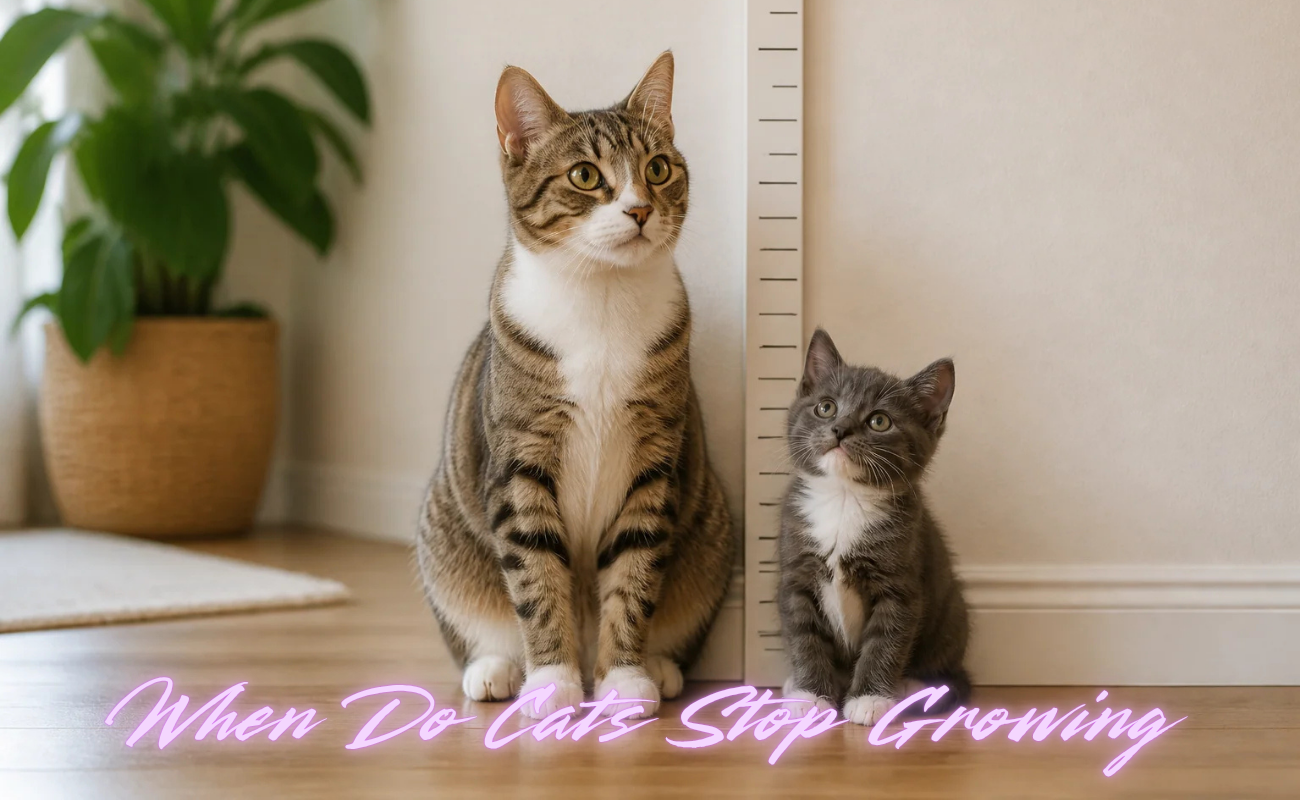
Every kitten owner eventually asks: when do cats stop growing? By about 12 months of age most cats are full-sized, but full-grown at approximately 18 months. Growth is most rapid during the first six months of life, followed by gradual decrease in growth. The exact time that a cat will cease to grow depends on genetics, breed and nutrition. This guide takes you through the entire process, from newborn kittens to adult cat, so that you will know what to expect at each phase.
Kitten Growth Stages (Birth to 6 Months)
Kittens pass through distinct phases on the way to adulthood.
Neonatal Stage (0-2 Weeks): Kittens are very small and are helpless. They are blind and deaf and rely completely on their mother for nourishment, warmth and care.
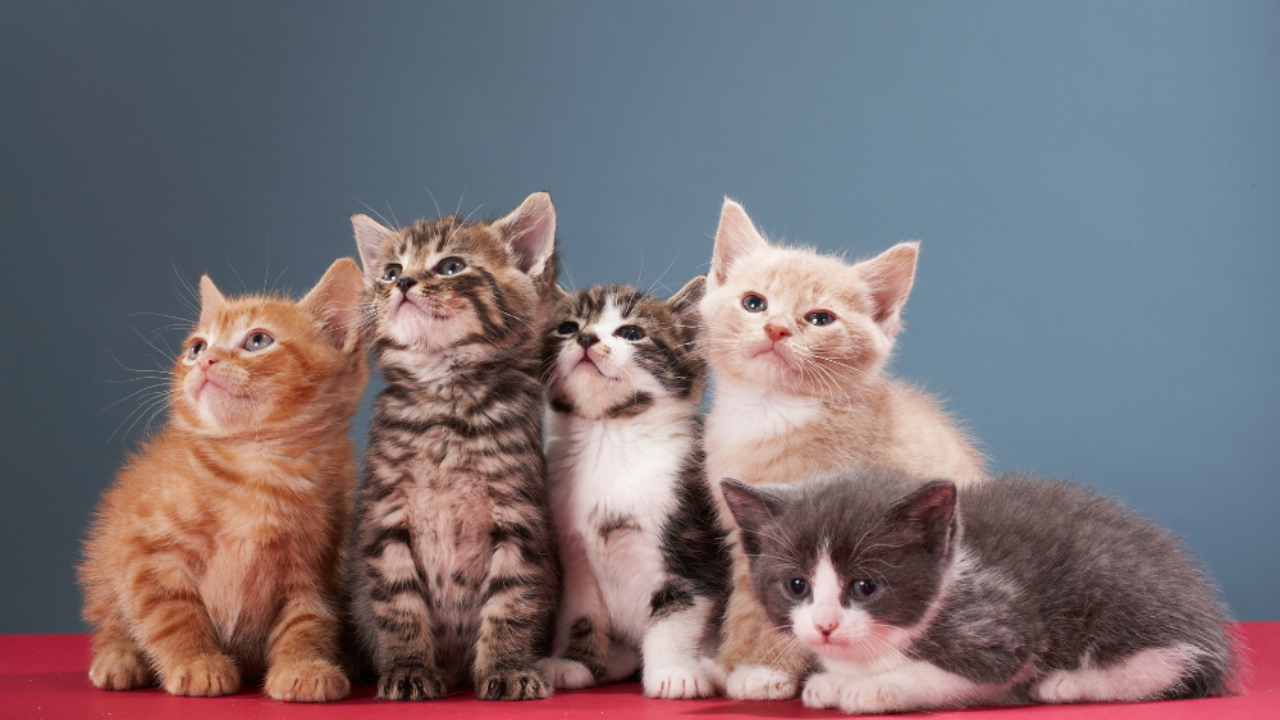
Transitional Stage (2-4 Weeks): Kittens begin to open eyes and ears at this time. They start to explore and move around more, and are beginning to show curiosity.
Adolescent Stage (3-6 Months): This is the time when growth really begins to take off. Kittens grow rapidly in weight and grow taller, their bodies begin to take on a more balanced shape. Kittens chew to help relieve the discomfort of the coming in teeth as they fall out and are being replaced by adult teeth. Most kittens are about 60% of their adult size at six months old, but they’re certainly not done growing!
When Do Cats Stop Growing? The General Timeline
The first 6 months are a period of rapid growth, followed by a gradual decrease in growth rate, but not a complete cessation.
Rapid growth phase (0-6 months): This is the greatest increase in size. A kitten can weigh just a few ounces when born, and at 6 months old, can weigh several pounds.
Growth phase 6-12 months: Growth is still present, but very slow. Bones and muscles continue to grow and the body takes shape.
Around 12 months: Most cats will stop growing in length and height at about 12 months of age. However, it doesn’t usually happen until around 18 months of age to get to full physical maturity (when the muscles are full and the skeleton is complete). This is a cat’s adolescent period, similar to the teenage years- almost grown, but still developing.
Read Also: DM Full Form: Why Those Two Letters Keep Confusing Everyone
Does Growth Continue After 12 Months?
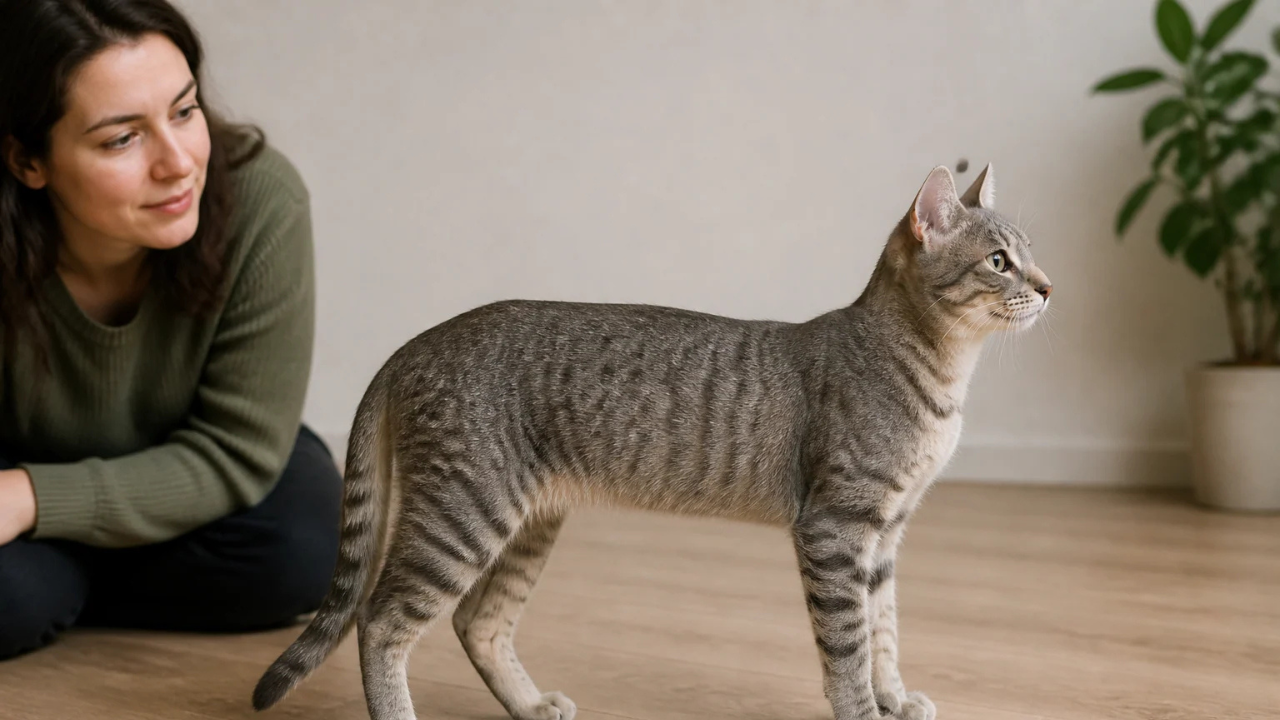
Yes, in a way. A cat’s skeleton will only continue to grow until about one year of age, but the body is still developing. Cats tend to “fill out” between the ages of 12 and 18 months, which means that they will develop muscle tone and body shape, but not necessarily height or length. That is why, although neither of the two cats is technically a child, the 18-month-old cat looks so different.
How Breed Affects When Cats Stop Growing
Some cats will not grow like others and breed can play a significant part in when your cat will stop growing.
Most domestic shorthair cats grow up to about 12 months of age, while small and medium breeds are done by about this time.
It will take a lot longer for large breeds. Maine Coons, Ragdolls and Norwegian Forest Cats grow slowly and steadily and may reach full size at 3 to 4 years old. They are just bigger in size and take longer to mature.
When you don’t know what breed mix your cat is, a safe guess is that it will respond to being handled as a small to medium size cat unless it displays some early signs of being larger than average.
The Influence of Factors On Growth Rate
There are a number of factors that can enhance or retard a cat’s growth:
Genetics: The size of a cat and the time it takes will be determined to a great extent by its parents.
Nutrition: A balanced kitten diet is important to maintain the health of bones and muscles. Low nutritional status may stunt growth.
Spaying/neutering timing: Usually spayed or neutered at 5-6 months and typically will not affect size.
Health and veterinary care: Normal development may be affected by parasites or illness or hormonal problems; regular checks are important.
Behavioral Changes After Cats Stop Growing
Physical change is not the only thing that changes. Cats’ temperaments tend to change as they get older. Kittens and young cats are playful and very active, but may be slightly clumsy. Many cats are calmer and more predictable in their behavior once they reach adulthood (typically around age 2). This is a good sign and along with a weight and a fuller coat, means that your cat is fully grown.
Final Word
Then, at what age do cats cease to grow? Most cats will be about 12 months old for size and up to 18 months for complete physical maturity. It may take several years longer for large breeds such as Maine Coons. There are many contributing factors such as genetics, nutrition and health, and the only way to monitor your own cat’s development is by regular veterinary checkups and close attention during all developmental phases.
FAQs
1.When do cats stop growing?
Most cats stop growing in height and length by around 12 months old. They can still grow in muscle until approximately 18 months of age, though, and put on weight.
2.Are there any breeds that don’t reach adulthood?
No. Small and medium sized breeds typically have completed their growth by 12 months, whilst large breeds such as the Maine coon and Ragdoll may continue to grow until they’re 3-4 years old because their bones grow slower.
3.How do I know when my cat has reached her full size?
The signs are that the adult dog has a well-established hair texture, has not changed in size or length over several months, has a level head and is more settled in temperament.
4.Does spaying or neutering affect growth?
If spayed or neutered at the recommended age (5–6 months), there is little effect on growth.
5.What makes kittens grow so quickly in the first 6 months?
Kittens grow rapidly in the early stages to build bones, muscles and organs to survive and be independent.
Read More: Wellhealthorganic Surgery for Wrist and Ankle Injuries: A Holistic Approach to Recovery
