
You wake up. Ask Alexa to play music. Watch Netflix over breakfast. Open Microsoft Word at work. Order groceries with free delivery because you pay for Prime.
Before lunch, you have used five different digital subscription offerings without even thinking about it. This business model is no longer a trend. It is the way the modern economy runs, and the numbers behind it are massive.
So what exactly are digital subscription offerings, why did they take over, and what does it all mean for you? Let us break it down.
What Are Digital Subscription Offerings?
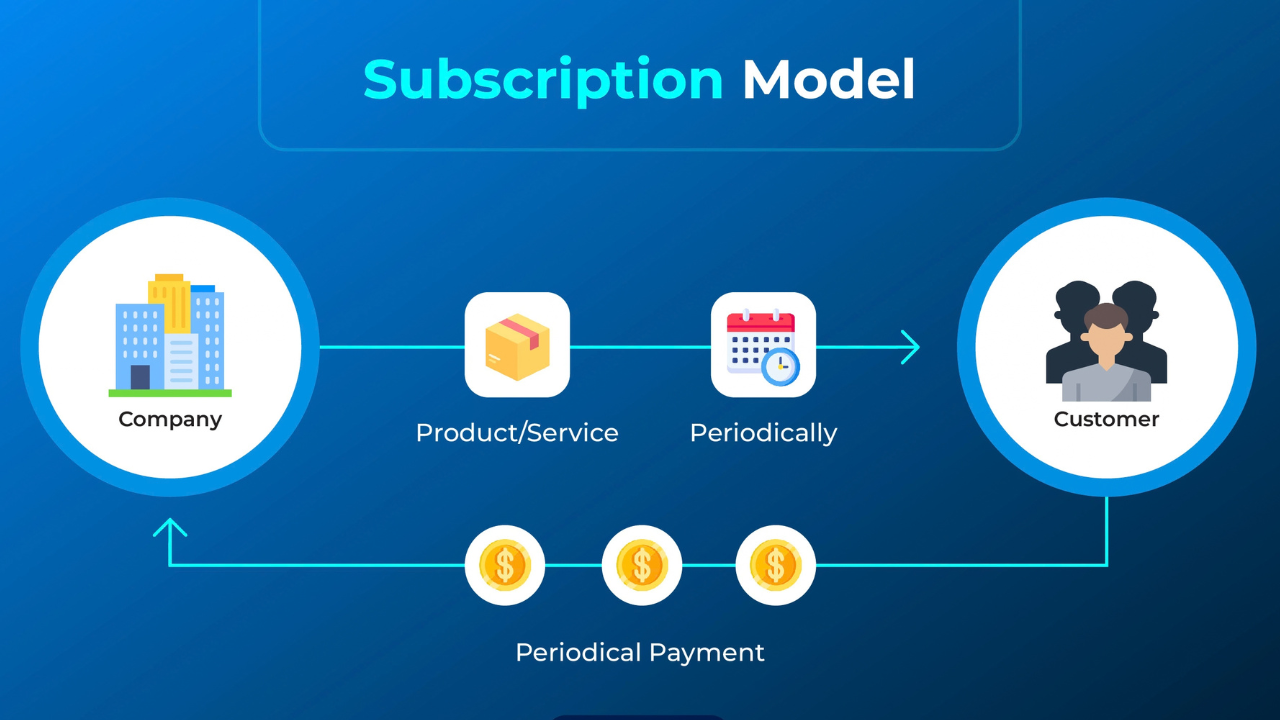
The idea is simple. Instead of buying something once, you pay a recurring fee to keep using it. Usually monthly or yearly. Sometimes for content, sometimes for software, sometimes for a whole bundle of perks.
Think of Netflix. You never own the movies. You pay every month for access. The same goes for Spotify, iCloud storage, Adobe Photoshop, your meditation app, and even that meal kit box that shows up every Friday. As Stripe explains, this model covers everything from content platforms to cloud storage to freemium apps where the free version exists only to pull you toward the paid one.
One purchase decision becomes hundreds of small payments, made automatically, forever. That is the magic trick.
Why Are They Absolutely Everywhere Right Now?
Because the money is staggering. The global subscription economy was valued at roughly $557 billion in 2025, and analysts project it to reach around $2.5 trillion by 2035. Juniper Research estimates the market will grow 67% over the next five years alone.
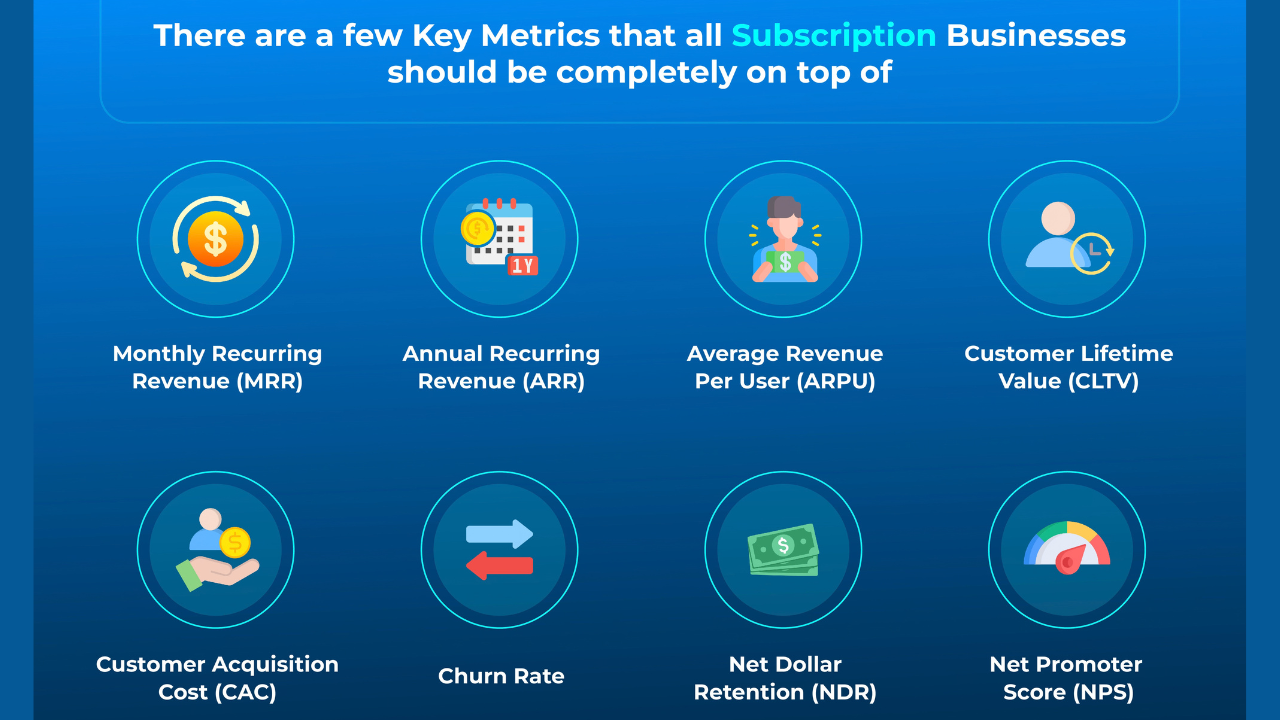
Here is why companies love this model. Predictable revenue. A customer who pays every month is worth far more than a customer who buys once. Data shows subscription businesses grew 11% faster than the S&P 500 over the last two years, and subscription revenue has surged over 400% in the past decade.
For consumers, the pitch is convenience. Access everything, own nothing, cancel anytime. For businesses, it is a goldmine with recurring cash flow. Everyone signs up happy.
Read Also: Sales HPCL: Login, Registration & Business Portal Features
What Types of Digital Subscription Offerings Exist?
Stripe breaks the model into four main types, and once you see them, you will spot them everywhere.
1. Content subscriptions. Pay for ongoing access to movies, music, news, or courses. Netflix and Hulu are the classic examples.
2. Usage-based subscriptions. You pay for what you actually use. Cloud storage like iCloud works this way. More data, more money.
3. Freemium subscriptions. The basic version is free, but the good stuff costs money. Spotify and LinkedIn Premium both play this game.
4. Community subscriptions. You pay to belong. Patreon creators and exclusive membership clubs run on this model.
Most big companies now mix these together. Apple does not sell you one thing. It sells you a whole ecosystem of offerings wrapped in a single monthly bill.
Who Are the Giants of This Space?
The biggest players are names you already know. Apple’s services business grew from under $20 billion in 2015 to about $109 billion in 2025, powered by more than one billion paid subscriptions across 2.3 billion active devices.
Netflix pulled in $12 billion in a single quarter in late 2025. Spotify hit 290 million paying subscribers. Adobe’s move from selling software boxes to Creative Cloud subscriptions is now taught in business schools as one of the greatest model pivots ever made. Even Salesforce, a company your average person has never touched, generates nearly $38 billion a year on subscriptions.
Together, a handful of tech giants control an estimated 50 to 60% of the entire global subscription economy.
What Is the Catch Nobody Talks About?
Here is the uncomfortable part. People are subscribed to more than they realize. Research shows Americans spend about $219 per month on subscriptions but estimate only $86. That is a $133 blind spot. Around 42% admit they kept paying for services they stopped using entirely.
The industry calls the backlash subscription fatigue, and it is real. Nearly half of cancellations in 2024 were triggered by price increases. People are getting pickier, and the easy growth days are slowing down. The next battle is not signing up new customers. It is keeping the ones you already have.
Final Word
Digital subscription offerings changed the rules of business. Companies stopped selling products and started selling ongoing relationships. For consumers, that means endless access and silent bills piling up in the background. For businesses, it means the race is no longer about the sale. It is about staying valuable enough that nobody hits cancel. And in 2026, that race is just getting started.
Read More: MCh Full Form: Course Details, Eligibility, Salary & Career Guide
