
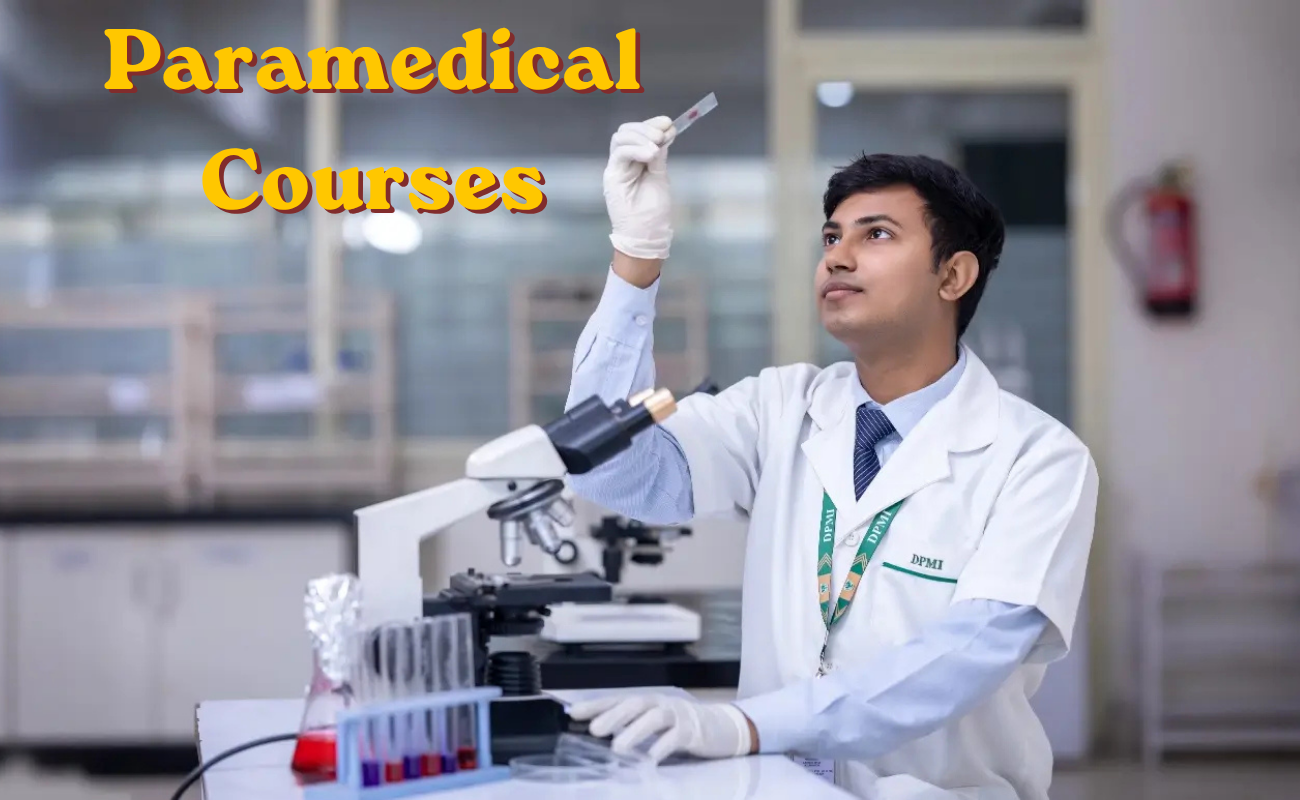
Doctors and nurses are not the only people who can provide health care. A wide range of highly skilled individuals contribute in a supportive role to the diagnosis, treatment, emergency care, laboratories and medical services.
Paramedical courses offer students the hands-on skills needed for these important roles in healthcare. Students have an option to pursue certificate, diploma, undergraduate or postgraduate programs based on their level of education and career aspirations.
The courses can open up employment opportunities in hospitals, diagnostic centres, laboratories, clinics and rehabilitation centres. This article provides information on popular courses, eligibility, duration, fees, admission process, salary and job prospects in the paramedical field.
What is a Paramedical Course?
Paramedical courses are training programs in healthcare that equips students with skills for medical support. Paramedicals support doctors and other health care workers in lab testing, medical imaging, emergency services, operation theatres, dialysis, physiotherapy and patient care.
These professionals can engage in therapy with medical equipment, take samples, conduct diagnostic processes or offer technical support in the process of treatment. They play an essential role in today’s health care delivery system.
Types of Paramedical Courses in India
Students may make course selections to reflect their level of education, interests and career goals.

Certificate Courses
Typically, shorter courses that may be offered in certificate programs are available to students to help them acquire basic healthcare skills. Popular options include Medical Lab Assistant, ECG Technician, X-Ray Technician, Emergency Medical Technician, Nursing Assistant and Blood Collection Technician.
Diploma Courses
Diploma courses offer more in-depth and technical instruction and take between one and three years to complete, depending on the course. Some of the popular courses are Diploma in Medical Laboratory Technology (DMLT), Diploma in Radiology and Imaging Technology, Diploma in Operation Theatre Technology, Diploma in Dialysis Technology, Diploma in Optometry and Diploma in Anaesthesia Technology.
Undergraduate Courses
A degree program is better for students who desire to have more knowledge and improved long-term prospects of employment. Popular preferred courses are the BSc Medical Laboratory Technology, BSc Radiology and Imaging Technology, Bachelor of Physiotherapy, BSc Optometry, BSc Operation Theatre Technology, BSc Dialysis Technology and BSc Anaesthesia and Critical Care Technology.
Postgraduate Courses
Following a relevant bachelor’s degree, students can go on to study at a higher level, like MSc Medical Laboratory Technology, MSc Radiology and Imaging Technology, Master of Physiotherapy and other post-graduate courses in Healthcare.
Read Also: SPR Login: A Simple Guide to Access the Madhya Pradesh Samagra Portal
Eligibility For Paramedical Courses
Eligibility will vary for each course/institution. Students who have done class 10 or class 12 may be accepted in Certificate courses. Science subjects like Physics, Chemistry and Biology are essential for Class 12, and various diploma and undergraduate courses have a requirement for the same.
For some courses, there may be a requirement for a minimum percentage in Class 12, and post-graduate courses may require a relevant Bachelor’s degree. Other factors such as subject combinations and age may also differ from college to college. It is recommended that the students refer to the current admission regulations of the institution they are applying for.
Is It Possible To Go For Paramedical Courses Without NEET?
Yes, there are some medical colleges in India which do not accept NEET scores for admission to paramedical programs. Admission can be based on Class 12 marks, University level entrance exam or Direct Admission depending upon the course and the institution.
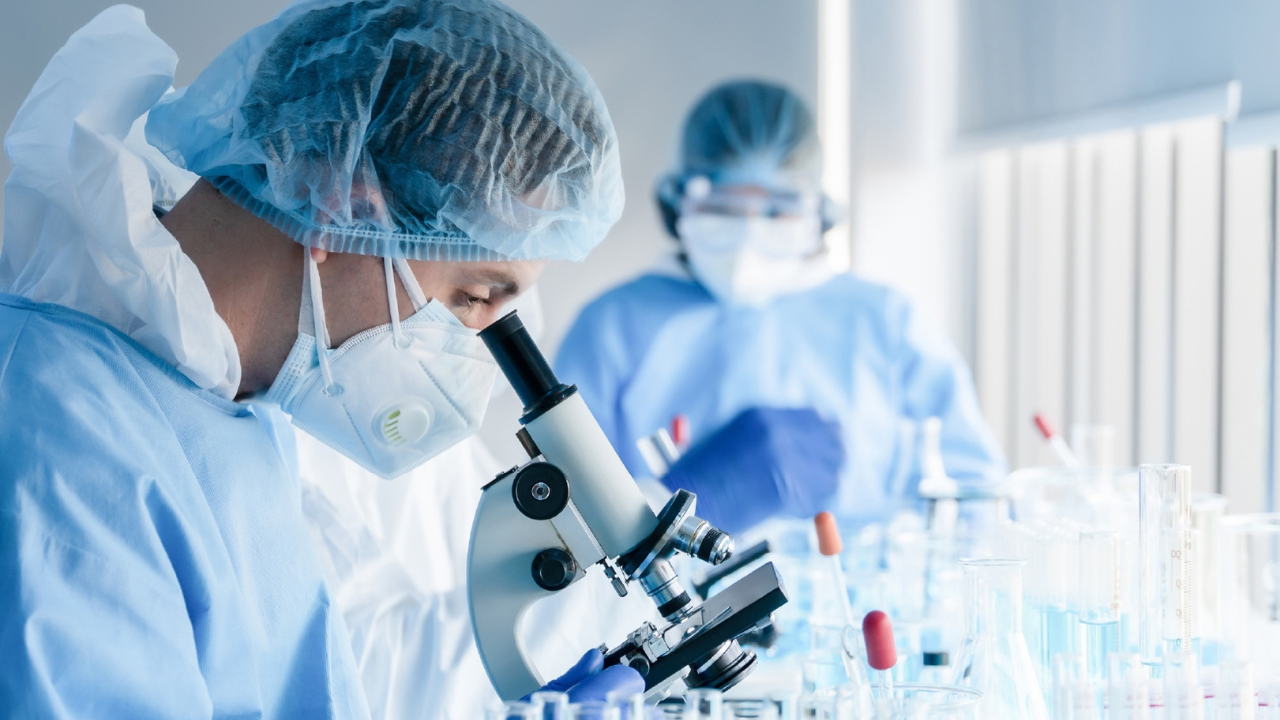
But, the rules for admission are not universal. Some programs/institutions may have their own admission criteria. Before applying, students should always refer to the official rules of the college / university.
Paramedical Course Fees in India
Course fees are dependent on college, location, type of institution. Generally, the fees charged by government colleges are less than those of private colleges, the latter may have higher fees due to the facilities, labs, clinical training etc. provided by the college.
In general, the fees for certificate courses could be approximately ₹10,000 to ₹50,000, the fees for diploma courses could be approximately ₹20,000 to ₹1.5 lakh per year, and for bachelor’s courses, it could be approximately ₹50,000 to ₹3,00,000 per year. The following is a general guideline, please check with the institution if you wish to confirm the current fee structure.
Duration of Paramedical Courses
Time will vary according to the amount of study. A certificate course can last approximately six months to one year, a diploma program can last for one to three years. Bachelor’s degree courses usually last anywhere from three to four years, and some professional courses may include internship training. The majority of master’s degrees are two years in length.
Admission Process
Typically, the admission process is quite simple. Students should choose a course and review its eligibility requirements. Then, they must submit their applications to the website of the college or university. The mode of admission could be merit or through an entrance exam as per the institution.

Selected students need to undergo counselling and file document verification. The last step is making the necessary admissions and finalizing the enrollment.
Final Word
For those who do not want to pursue a medical career, there are various career paths available in the medical field through the field of paramedical education. Depending on their objectives, students may select from a short certificate course, a diploma or a degree or post graduate program. Comparisons of the eligibility, cost, duration of the course, hands-on experience and career possibilities should be made before admission. Selecting a reputable school and gaining good practical skills can lead to better long-term career prospects.
FAQs
1.What are the paramedical courses?
Paramedical Courses include healthcare courses that prepare students for technical and supportive roles like laboratories, radiology, emergency care, physiotherapy, dialysis, etc.
2. Is NEET mandatory for a paramedical course?
Yes, there are several courses that don’t require NEET. Admission could be based on Classes 12 marks, entrance test or the admission policy of the institution.
3. What are the most sought-after Paramedical Courses?
Medical Laboratory Technology, Radiology and Imaging Technology, Physiotherapy, Optometry, Operation Theatre Technology, Dialysis Technology are some of the popular courses.
4. How long do paramedical courses take?
This period is contingent on the program. Courses leading to a certificate can be 6-12 months, diploma courses are typically 1-3 years and bachelor’s degree courses typically 3-4 years.
5. What is the scope of the career after the Paramedical course?
Students can find employment in hospitals, diagnostic centres, laboratories, clinics, rehabilitation centres, emergency services, blood banks, etc. in various healthcare settings.
Read More: Sales HPCL: Login, Registration & Business Portal Features
