
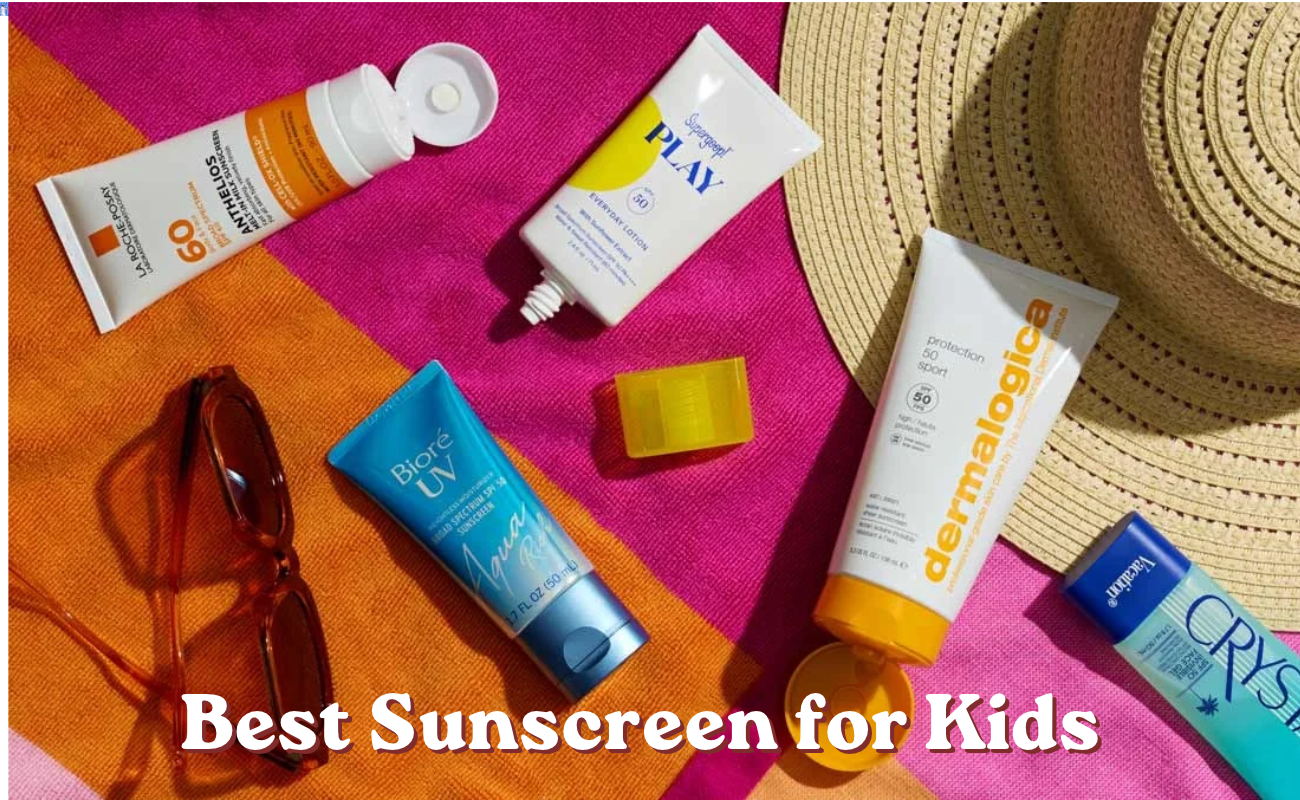
Children’s skin is thinner and burns more quickly. Children who are burned can also end up with additional skin damage later in life. The best sunscreen for children is one that offers protection and tolerance, as well as a texture your child will tolerate.
This booklet describes what to watch for, reviews common lotions, sprays and mineral creams and provides instructions for proper application. An easy way to get to the beach or to the park.
What to Look for in a Children’s Sunscreen
SPF 30 to 50+ with UVA cover. SPF indicates protection against the sunburn-causing UVB rays. The UVA rays of the sun contribute to aging the skin, so look for the UVA logo or the words “broad spectrum” on the label. SPF 50 and 50+ are good for kids, particularly those with light skin.
Mineral or chemical filters. Mineral sunscreens are made with zinc oxide or titanium dioxide and are on the surface of the skin. Many people prefer them for sensitive and eczema-prone skin. Chemical sunscreens absorb into the skin and are typically lighter in texture and have no white residue. It works either style and choose the one that your child wears.
Gentle and water resistant Formula. Try to find fragrance-free and hypoallergenic products. Do not mistake water resistant for waterproof, reapply after swimming.
Our Top Sunscreen Picks for Kids
You’ll see these features on some of the more popular UK retailers, including Notino. Before purchasing, please read the label and the actual price.
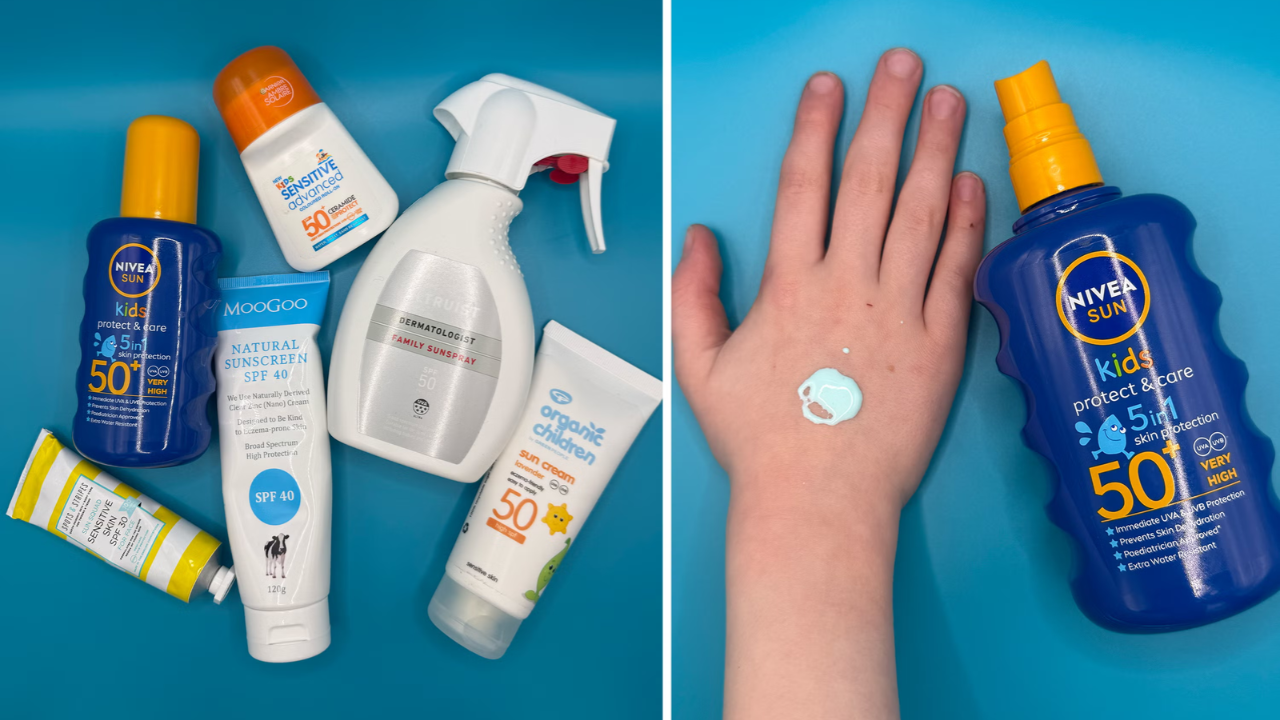
Best for sensitive skin: Avène Very High Protection Lotion for Children SPF 50+. Made for sensitive skin and provides extremely high protection. The creamy texture will take a little rubbing in and is a gentle everyday choice.
Best spray: Lancaster Sun Sensitive Kids Milky Spray SPF 50+. When your child is not still, a spray is handy. This is waterproof and takes light milk. Apply copiously and massage into skin for even application.
The best mineral option: Heliocare 360° Pediatrics Mineral Sunscreen Fluid SPF 50+. This light fluid is easily spread and is good for sensitive skin. It’s more expensive than some of its competitors, so it might be a better choice for the face and other skin that is prone to burning.
Best for babies: Chicco Baby Moments Sun Mineral SPF 50+. This mineral formula is indicated as a baby formula. However, children younger than 6 months should continue to avoid direct sunlight, shade and clothing should be used first.
The best pharmacy brand: La Roche-Posay Anthelios Dermo-Pediatrics SPF 50+ A well-known brand of lotion for kid’s skin. Easy to apply to body. Read and follow the instructions on the label.
Best value: Childs Farm Sun Cream SPF 50+. This tends to be more effective according to parents on Mumsnet and can be more affordable than pharmacy brands. A decent for daily use for the whole family.
How to Apply Sunscreen on Children
Sunscreen won’t provide any protection unless you apply it properly.
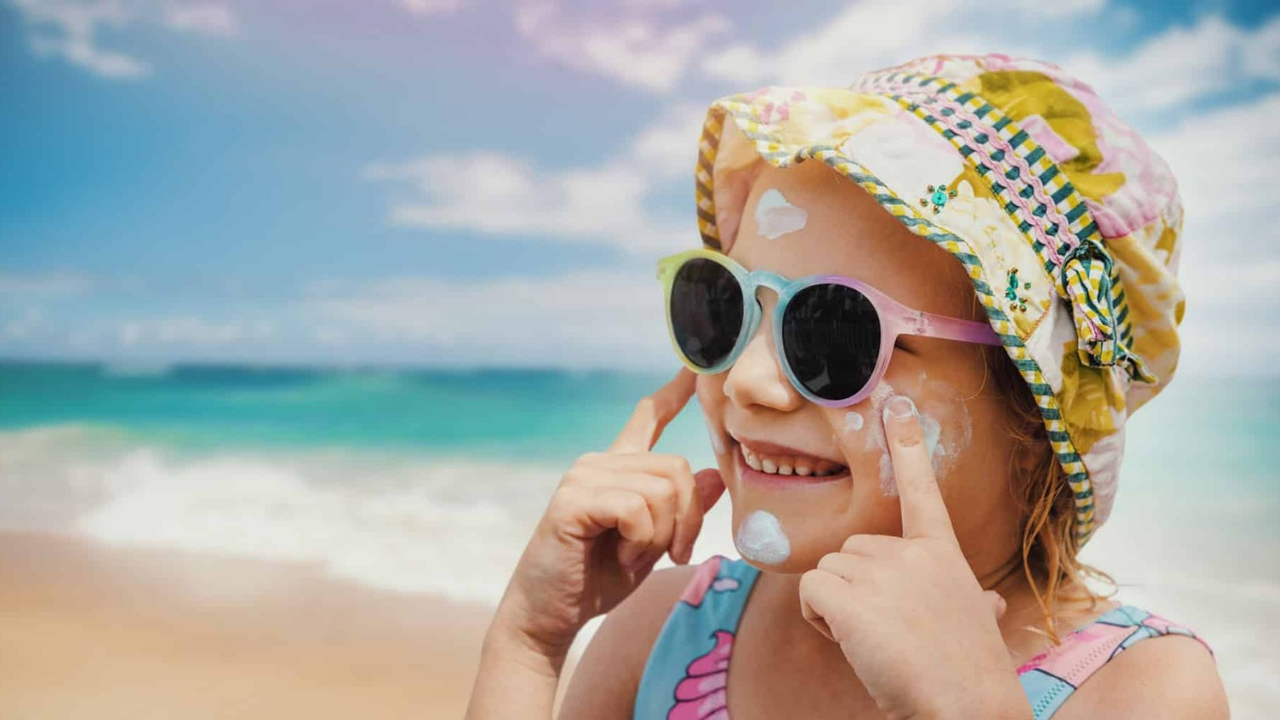
- Use it 15-30 minutes before exposure to the outdoors if recommended, otherwise indicated on the label.
- Apply approximately 1 teaspoon to each arm, each leg, front, back, face and neck.
- Remember, ears, feet, back of the neck and parting in the hair.
- Apply again every two hours and right after swimming and drying off.
- Also wear shade, hats and UV clothing during the hours of 11am to 3pm.
Final Word
The most effective kid’s sun cream is one that contains an SPF of 30 or above, provides good UVA protection, has a mild-scented formula, and is a texture that your child will enjoy. Combine with shades, hat and cover-up clothes and reapply often. Before purchasing, please refer to labels and prices, products and offers subject to change.
FAQs
1.What is the best SPF to use for children?
Select a sunblock that is at least SPF30 and has good UVA protection. For fair skin, holidays and strong sun, apply SPF 50 or higher and reapply every 2 hours and after swimming.
2.Is mineral or chemical sunscreen better for children?
Mineral sunscreens (containing zinc oxide or titanium dioxide) are usually recommended for sensitive and eczema-prone skin. Chemical ones are light and rubbed easily.
3.Do babies need sun cream?
The NHS recommends that babies, up to six months old, should not be in direct sunlight. Use shade, hats and clothing first for older babies.
4.How much sun cream do I put on my child?
Be generous. About a teaspoon per area, such as face and neck, each arm, each leg, front and back.
5.Is spray as effective as lotion?
Sprays offer protection but they can be used too sparingly. Use lots of spray and rub in well. Do not spray in windy areas and do not spray directly into the face.
Read More: Badminton Court Length: Official Size, Measurements and Setup Guide
